If you run a brick-and-mortar shop, sell on Amazon, eBay or Etsy, or are only planning to start selling, sooner or later you’ll ask yourself: is it worth having your own online store? I’ve been answering that question for years, in almost every first conversation with a new client. In this article I’ve gathered everything we usually discuss: concrete benefits, real costs, the most common worries and strategies for getting started. No marketing fluff.
As someone who builds online stores for a living, I see one thing very clearly: companies that move into e-commerce grow faster, become more stable and stop depending entirely on foot traffic or on someone else’s platform.
The internet is the biggest market within your reach
When you sell only locally, you see just part of your business’s potential. Online, your products are available 24/7, whether it’s Sunday, a public holiday or the middle of the night while you sleep. A customer can place an order before you’ve even sat down at your computer.
That’s an advantage a physical shop simply can’t offer: access to customers across the whole country, and often across borders, regardless of floor space, location or opening hours. This isn’t about promises of a “magic online business”. It’s about a well-prepared store letting your products keep selling even when you’re off.
Selling in a physical shop? An online store is an addition, not a rival
Selling in person has big advantages: you build face-to-face relationships, customers know you and come back, and your shop has its own atmosphere. But it also has limits every shop owner knows: opening hours, weather, seasonality, rent and street traffic you can’t control.
Your own online store doesn’t mean giving up on in-person sales. It extends them. A customer who knows you from your local shop can come back and buy at 11 pm from their sofa. Instead of selling for a few hours a day, you open your business around the clock, seven days a week, to people outside your town as well.
Selling on a marketplace? Calculate how much you really give away
Amazon, eBay and Etsy give you a ready-made customer base, and that’s a great start. I know plenty of people who began exactly there. But this model comes with two serious catches.
First: fees. Every sale costs you anywhere from a few percent to well over ten percent of revenue, plus listing and promotion fees. You quickly realize you’re selling a lot but earning less than you should. Over a year, the fees you pay a platform can exceed the cost of building your own store.
Second: control. On a platform you’re a tenant in your own business. If the marketplace changes its terms, raises fees or suspends your account, you lose access to your customers overnight. You’re not building your own brand, you’re building someone else’s turnover.
With your own store, you own the customer base, the data, the strategy and the rules. You can still sell on marketplaces, but your store becomes the center of operations. I’ve described how to make that switch step by step in a separate guide: how to move sales from a marketplace to your own store.
Customer bought once and forgot about you? Not if the store is well designed
One of the questions I hear most often: “What will a store give me? The customer buys, pays and that’s it. They won’t come back.” True, if you build a store just so it exists. But a well-designed store is a machine for building relationships and repeat purchases. In practice, that means tools such as:
- automatic abandoned cart recovery,
- loyalty programs and discounts for returning customers,
- newsletters with tips, new arrivals and offers,
- customer segmentation and messages tailored to purchase history,
- automatic reminders about products that are running out or wearing out.
No customers yet? You can win them before launch
A common myth: “First I need a customer base, then a store.” The opposite is true. You can build the base in parallel, before you open.
A simple scenario I recommend to people starting from scratch: run an inexpensive Facebook or Google campaign whose goal isn’t sales but collecting contact details of people interested in your product. Say you collect 300 email addresses. On launch day you send them a message with a discount code and an invitation to your loyalty program. You have customers from day one, without a big budget.
How much does your own online store cost?
Many business owners assume building a store costs a fortune. I build stores you fully own, with no subscriptions and no commission on sales, from €2,900 / $3,300, and extended stores from €3,500 / $4,000. It’s a one-off investment that, with regular sales, pays off faster than a year of fees handed to a platform.
On top of that come running costs (hosting, domain, optional technical maintenance). I’ve broken them down line by line in the monthly cost of running an online store. If you want to compare build costs for different options, have a look at how much an online store costs.
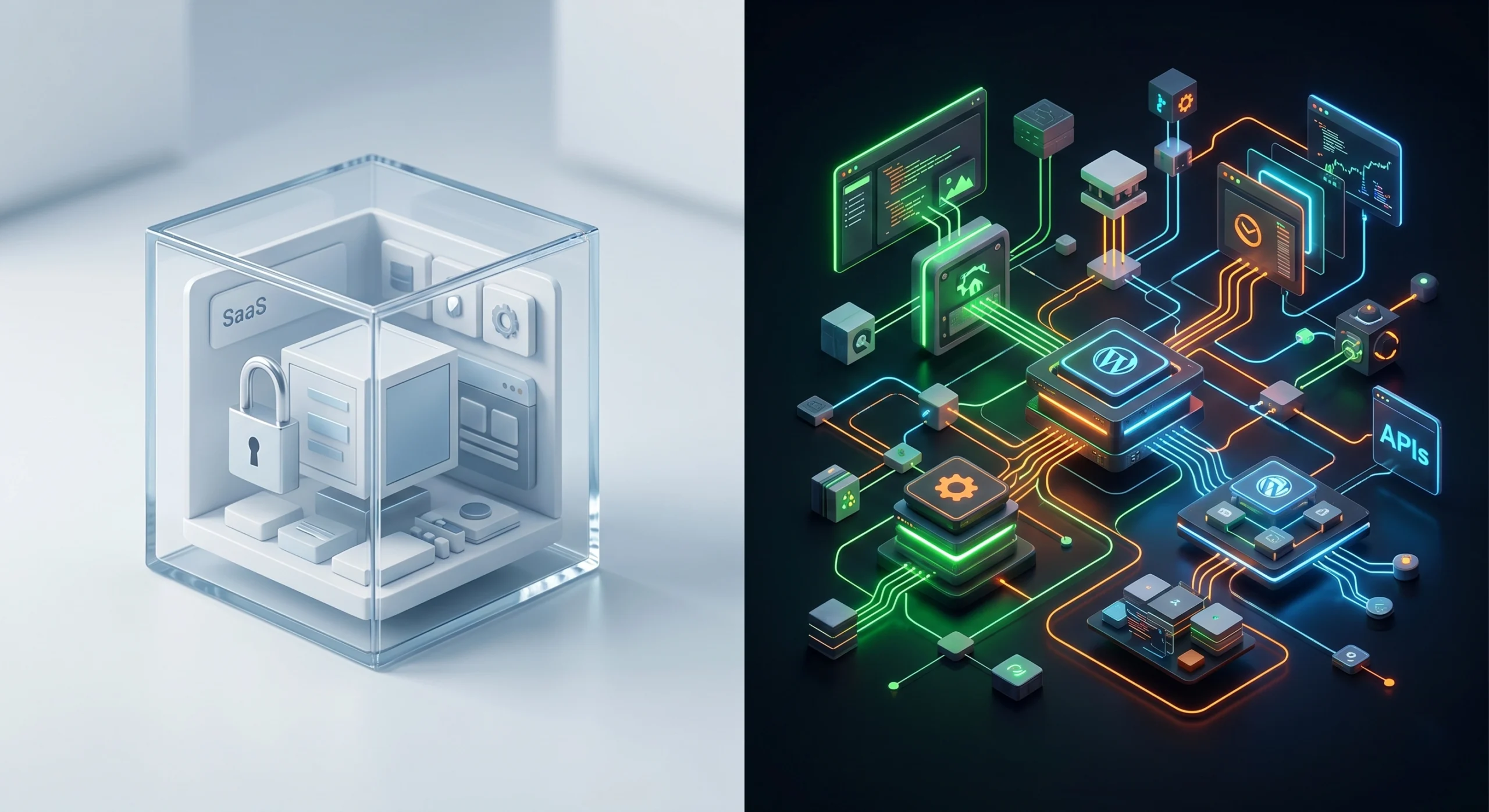
On the technical side I recommend WooCommerce: flexible, secure and well integrated with popular payment providers such as Stripe and PayPal, shipping carriers and marketing tools. Why this system rather than subscription platforms? I explain it in WooCommerce vs Shopify for a small business.
A ready-made online store with products: start without weeks of setup
For many business owners the biggest barrier isn’t money but time: adding products, categories, descriptions, setting up payments and shipping. That’s why more and more people choose a ready-made online store with products. You receive a fully prepared system, from technical setup and design to a filled catalog with photos and a logical category structure. Instead of losing weeks on setup, you focus on marketing and handling orders from day one.

The most common worries, and why they don’t hold up
“I don’t have time to run an online store.” Orders, notifications, invoices and even part of customer service can be automated. A well-configured store takes less time than it saves.
“I don’t know anything about technology or marketing.” You don’t have to. You get the store ready to use, with a simple step-by-step guide, and you’re not on your own after launch: as part of technical maintenance I help with updates, changes and expansion.
“It’s too expensive.” Compare the one-off build cost with what you give away in platform fees every year, or spend on rent and offline advertising. In most cases the math clearly favors your own store.
What do business owners say once their store is live?
Most often one sentence: “I should have done this sooner.” It comes back every time, because an online store doesn’t just increase sales, it builds stability. Customers buy while you’re off. Products sell regardless of street traffic. And your brand starts to exist online and reaches people you couldn’t reach before.
Is it worth having your own online store? Summary
Not everyone needs an online store, but anyone who sells products should seriously consider one. Your own store is an investment in independence from platform fees, higher margins, customer loyalty and your brand image. Your customers are already online: searching for products, comparing prices and expecting convenient shopping. The only question is whether they’ll buy from you or from your competitors.
If you want to take this step wisely, without stress and with an expert on your side, get in touch. We’ll talk about your situation, look at your needs and decide together which store model suits you best. I’ll help you build a store that actually sells.